Steel Market & Demand Outlook: Trade Policy Shocks, Tariffs, and Global Shifts in 2025

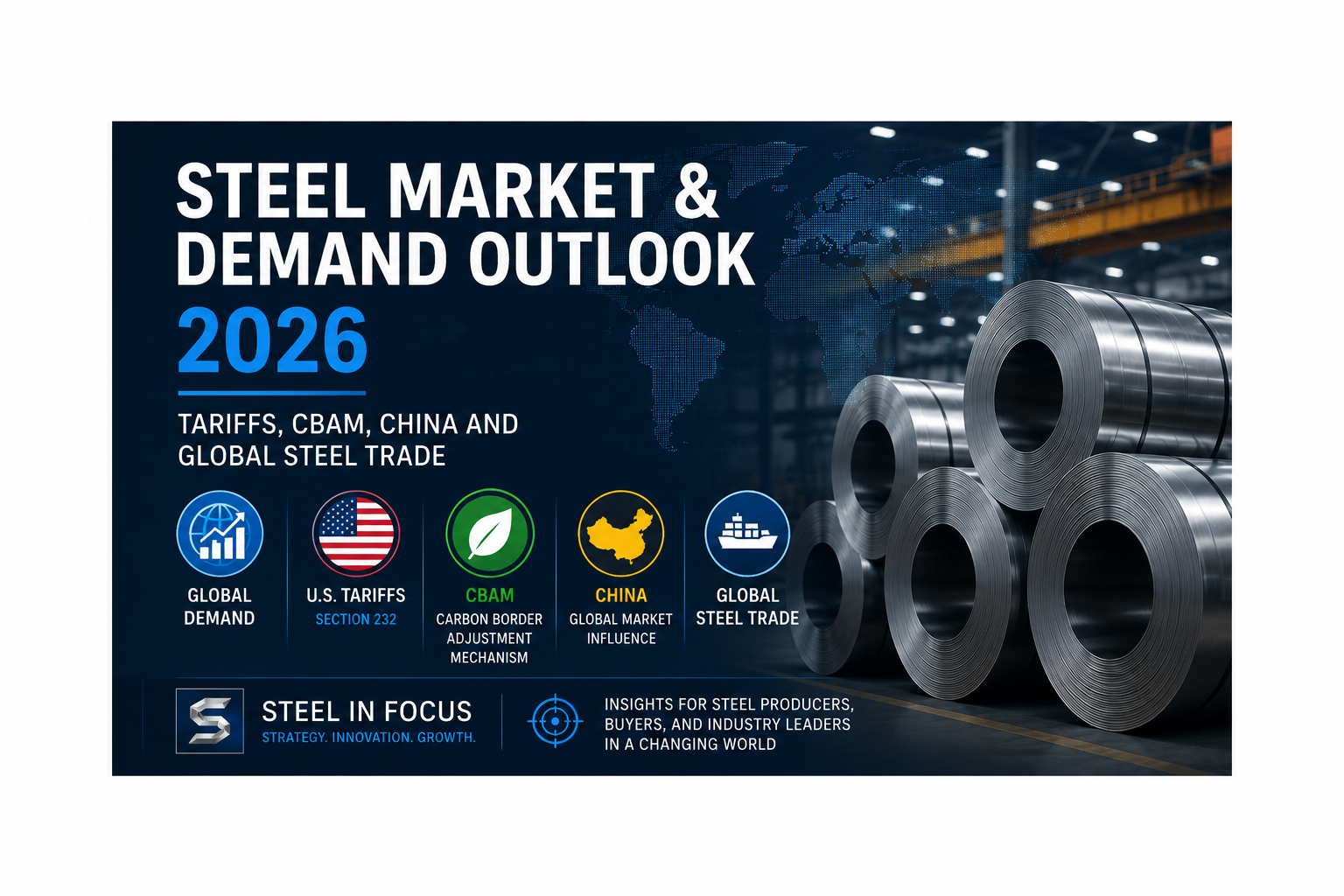
Global steel demand is increasingly shaped by policy shocks rather than pure market fundamentals. Recent U.S. tariff measures against Brazilian steel exports have raised uncertainty across trade flows. The European Union’s Carbon Border Adjustment Mechanism (CBAM) is transitioning into reality by 2026.China continues to dominate global steel production, dictating cycles in supply and pricing.Brazil faces … Read more

Key Indicators for Understanding the Global Steel Market

Navigating the steel industry requires more than knowing the current price of a ton of steel. Professionals, analysts, investors, and manufacturers must track a series of interconnected indicators that reflect the health, direction, and risks of the market. Understanding these metrics is essential for making informed business decisions and anticipating changes in supply and demand. … Read more

How Digital Platforms Are Revolutionizing Steel Trade Negotiations

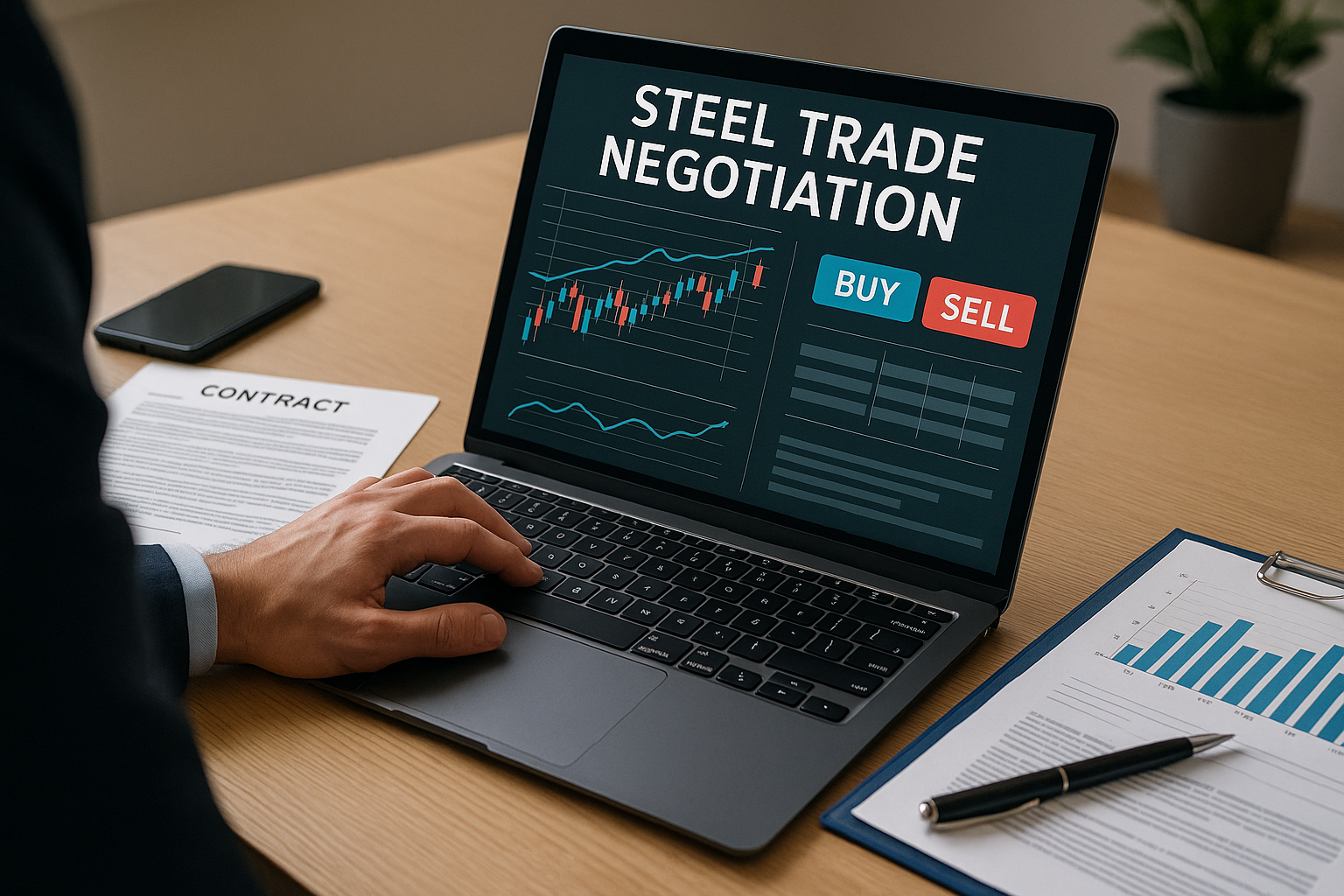
In an industry historically dominated by face-to-face deals, spreadsheets, and telephone calls, the steel trade is undergoing a rapid digital transformation. Buyers and sellers no longer need to rely solely on outdated practices or slow bureaucratic processes to negotiate and finalize deals. Digital platforms have emerged as game-changers, fundamentally altering how negotiations, procurement, logistics, and … Read more

The Role of Digital Innovation in Accelerating Sustainable Steel Production

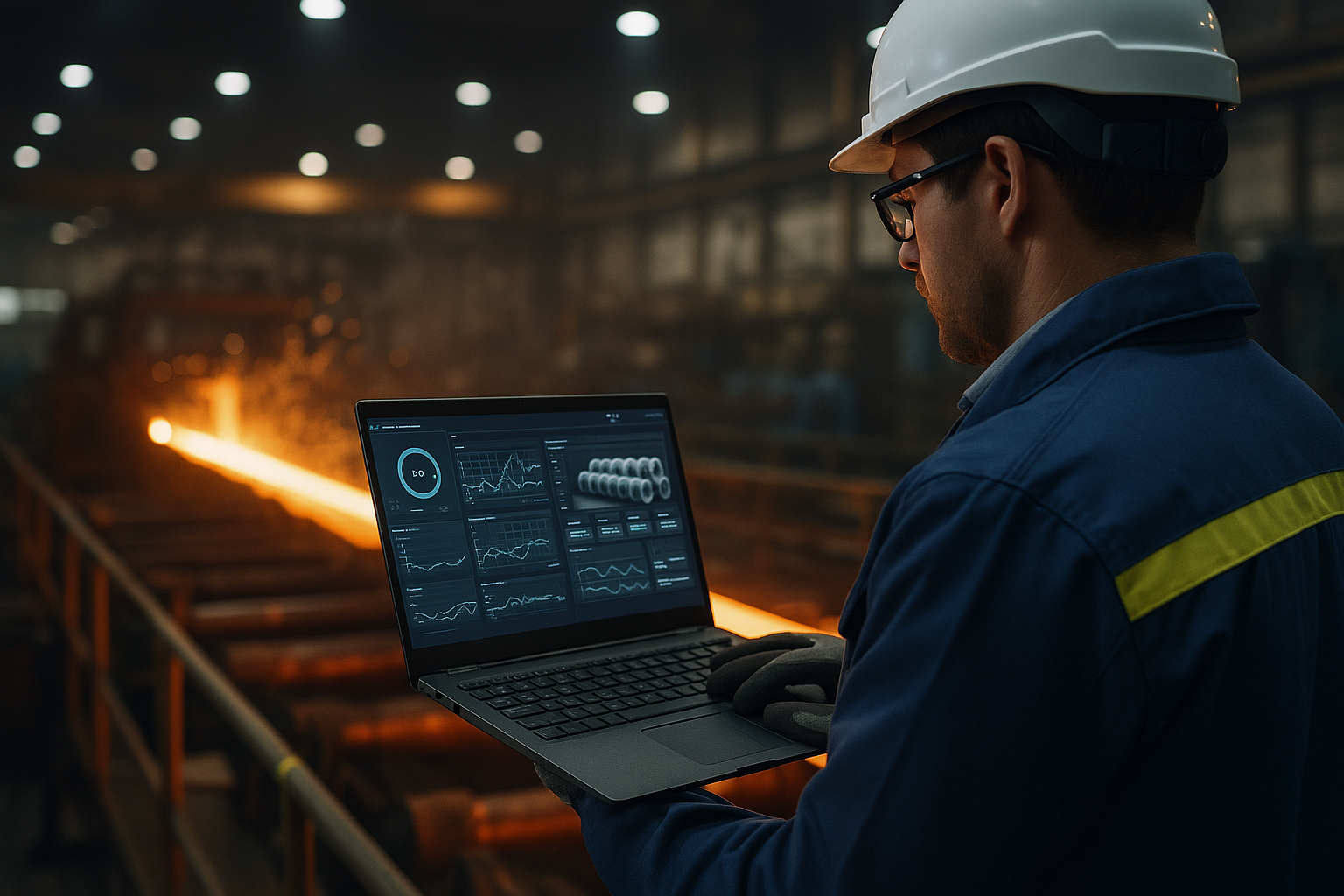
As industries around the world race to reduce carbon emissions, the steel sector is undergoing a technological transformation. While the shift to sustainable steel is often associated with green hydrogen and renewable energy, digital innovation is playing a crucial but often underestimated role in making this transition faster, smarter, and more scalable. In 2025, steel … Read more

How Standard Operating Procedures Improve Efficiency in Steel Plants

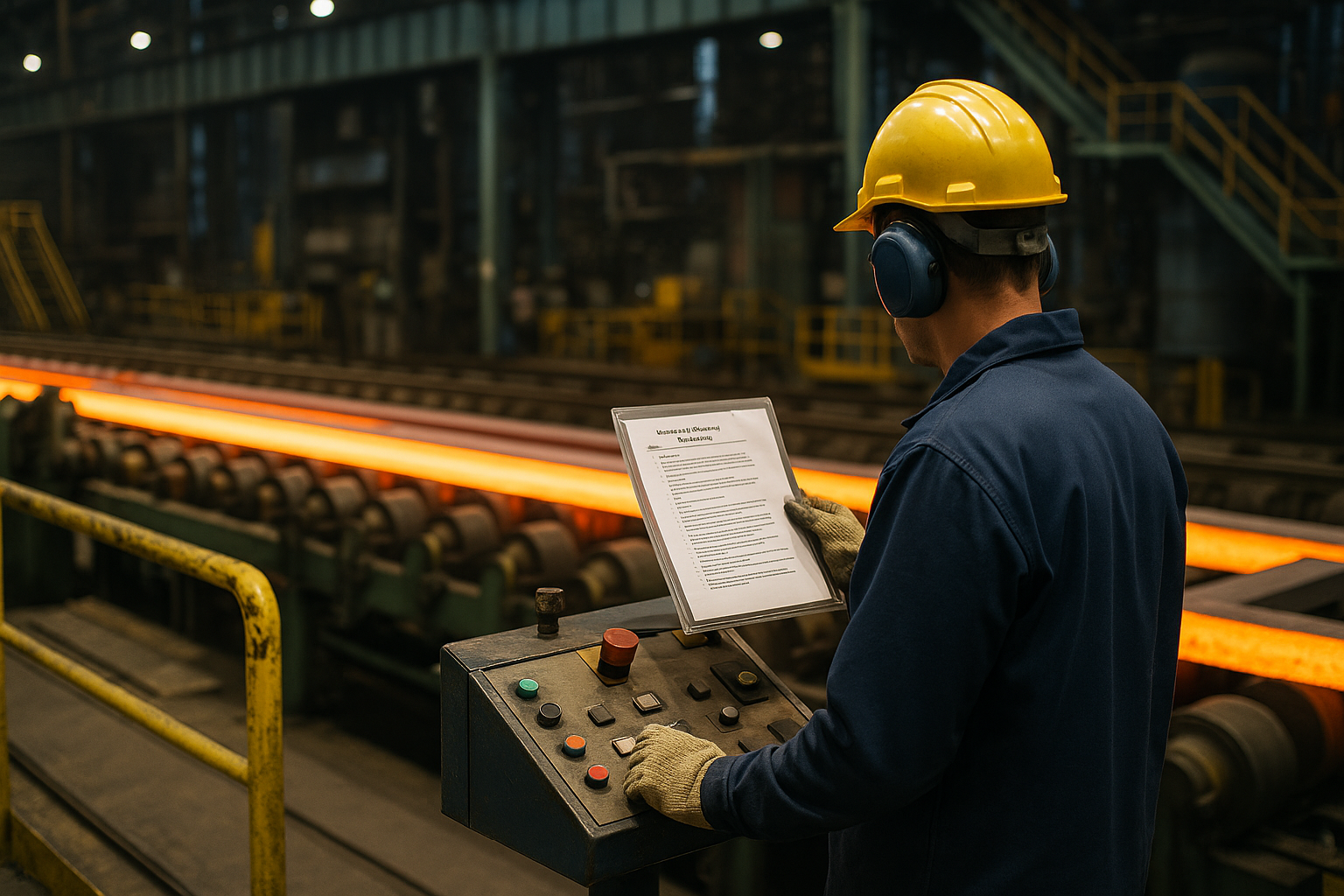
Steel manufacturing is a high-stakes, high-precision industry. With continuous operations, intense energy usage, heavy machinery, and tight product specifications, even small mistakes can lead to costly rework, safety risks, and production delays. To manage this complexity, leading steelmakers rely on Standard Operating Procedures (SOPs)—detailed, step-by-step instructions that ensure every task is performed consistently, safely, and … Read more

How Sustainable Steel Could Reshape Entire Cities in the Coming Years

As urban centers continue to grow and evolve, cities around the world are confronting the twin challenges of climate change and rapid development. From buildings and bridges to transit systems and utilities, steel plays a central role in shaping urban infrastructure. Now, a new frontier is emerging—sustainable steel—with the power to redefine how cities are … Read more

How Cross-Functional Teams Drive Innovation in Steel Manufacturing

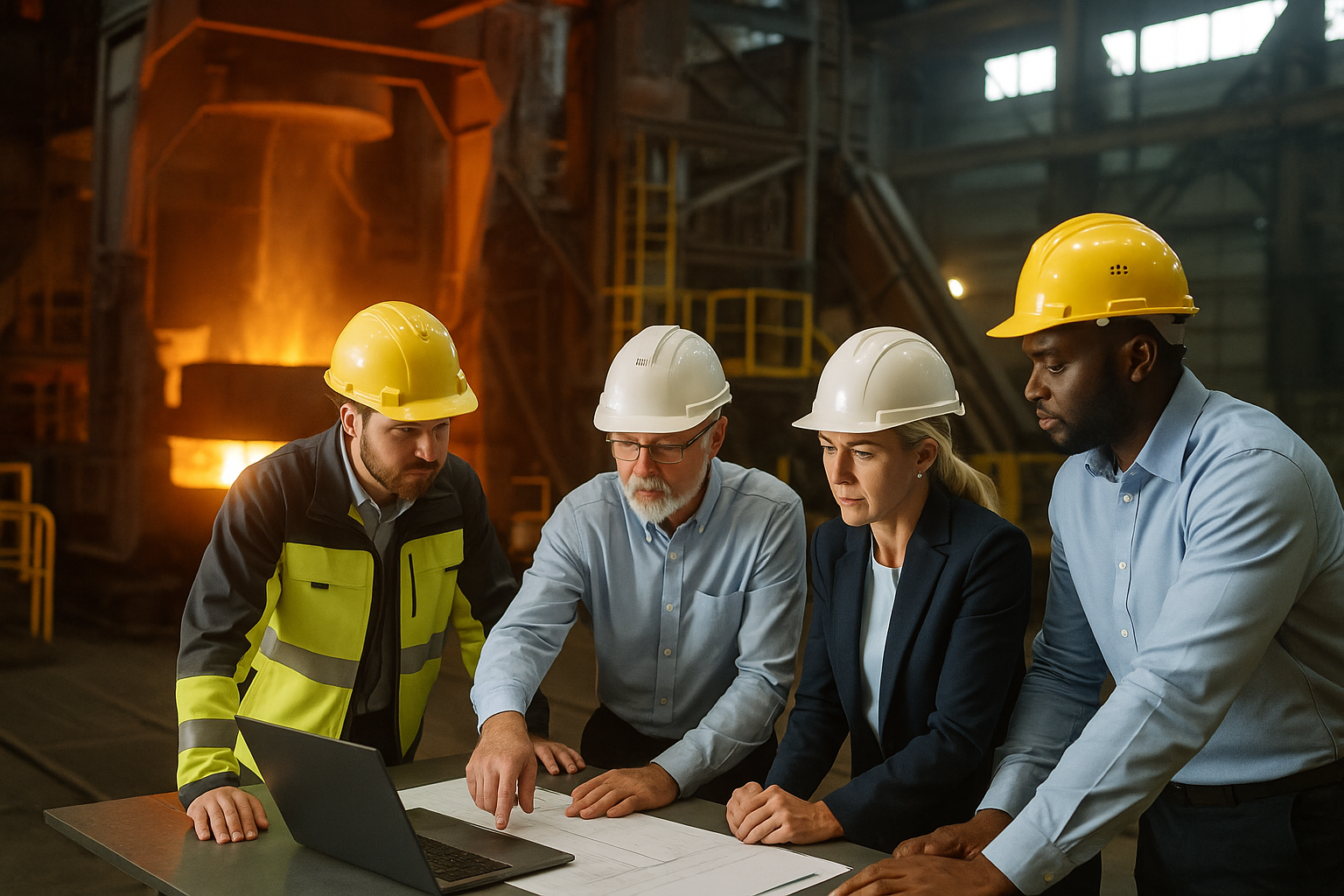
Steel plants have historically operated in silos. Maintenance focused on uptime, production teams aimed to meet tonnage targets, quality departments worked to reduce defects, and logistics ensured timely delivery. While each department has a vital role, this separation often leads to miscommunication, conflicting goals, and inefficiencies. Cross-functional teams break down these barriers by bringing together … Read more

How Digital Skill Development Is Transforming the Steel Workforce

As steel manufacturing becomes increasingly digitized, automated, and data-driven, the skillset required on the shop floor is changing. Traditional roles—focused on physical tasks, manual controls, and reactive troubleshooting—are being augmented by digital responsibilities like data interpretation, system navigation, and process optimization. This transformation means that investing in digital skill development is no longer optional—it’s a … Read more

How Cross-Training Employees Helps Reduce Operational Bottlenecks in Steel Plants

In many steel manufacturing plants, workers are trained for very specific tasks—operating a certain mill, maintaining a particular piece of equipment, or handling one area of logistics. While specialization brings deep expertise, it can also create operational bottlenecks when someone is absent, equipment changes, or demand shifts. Cross-training, which involves preparing employees to perform multiple … Read more