Maritime Logistics and Steel Trade in 2026: Freight Costs, Route Disruptions and Supply Chain Risk
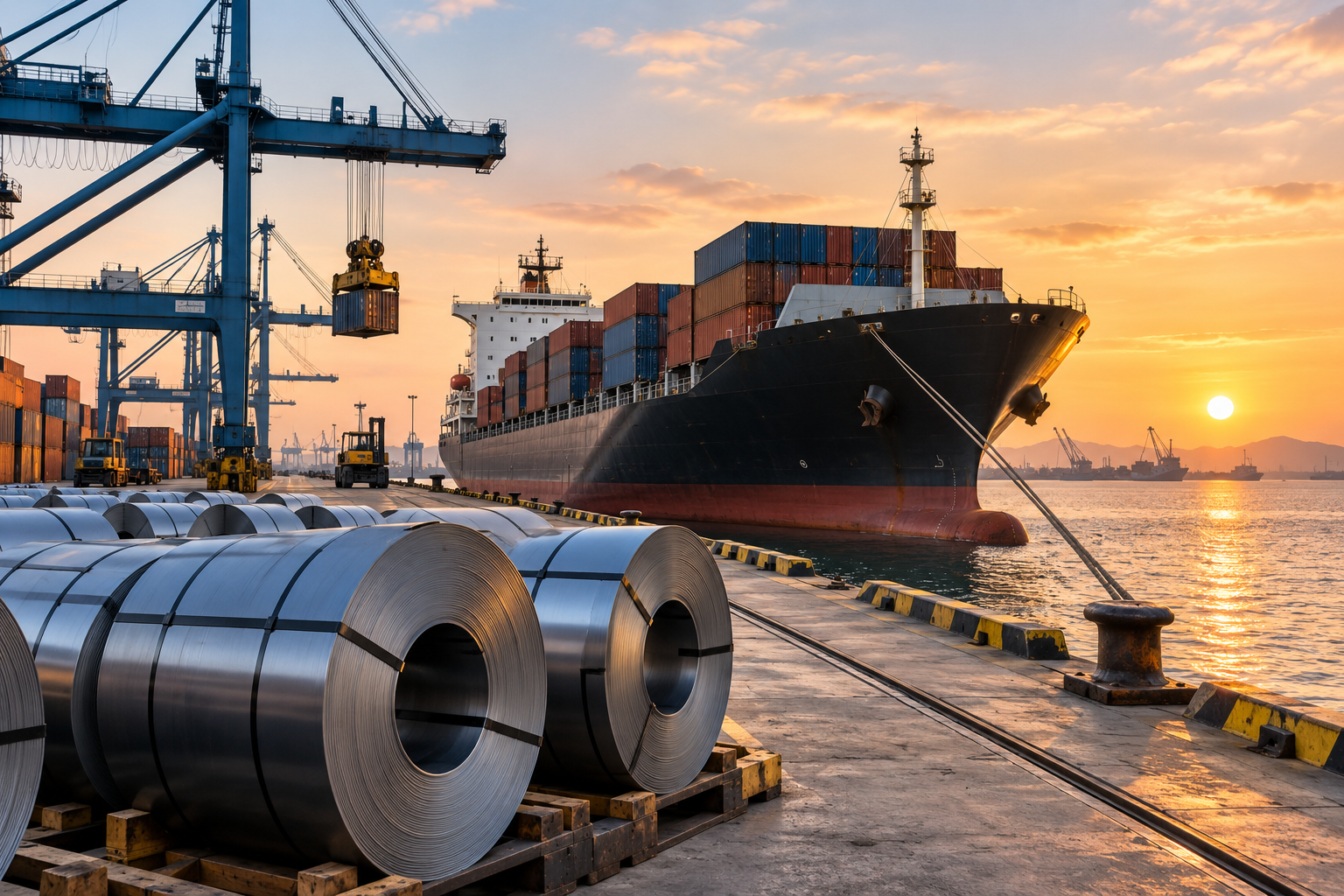
A practical analysis of freight costs, maritime disruptions, landed cost and supply-chain risk affecting global steel trade in 2026.

A practical analysis of freight costs, maritime disruptions, landed cost and supply-chain risk affecting global steel trade in 2026.
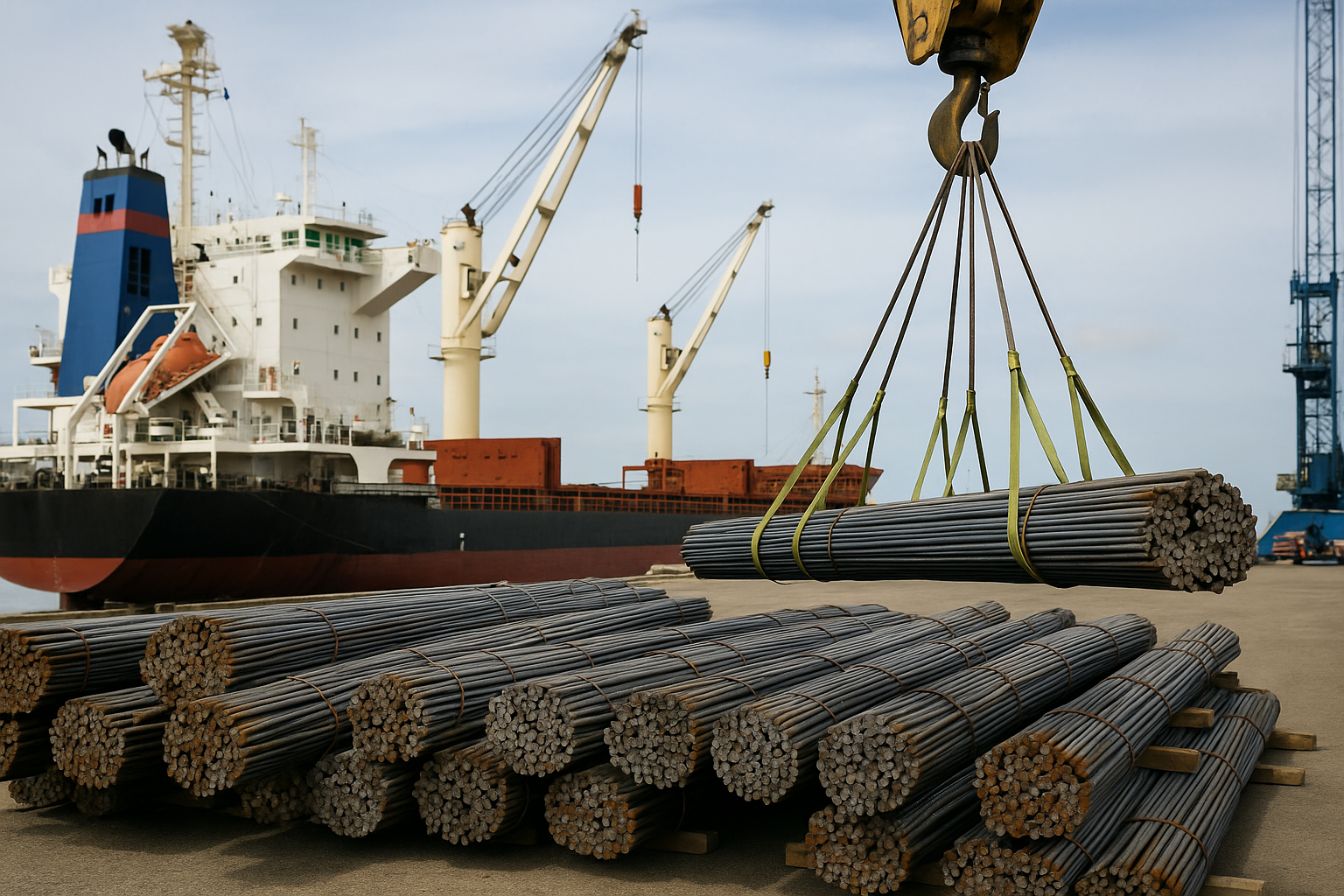
Emerging markets in Asia, Africa, Latin America, and the Middle East are experiencing rapid urbanization, infrastructure growth, and industrial expansion. These trends make them attractive destinations for steel exports, especially for products like structural steel, rebar, coils, and industrial-grade sheets. However, entering and succeeding in these markets is not without difficulty. Steel exporters face logistical, … Read more
A practical methodology for evaluating tariffs, trade remedies, landed cost and risk in international steel sourcing.

The global push toward sustainability has given rise to new economic models that aim to reduce waste and make better use of resources. At the center of this movement is the circular economy, a system that redefines growth by focusing on positive society-wide benefits. One material that aligns exceptionally well with circular principles is steel. … Read more
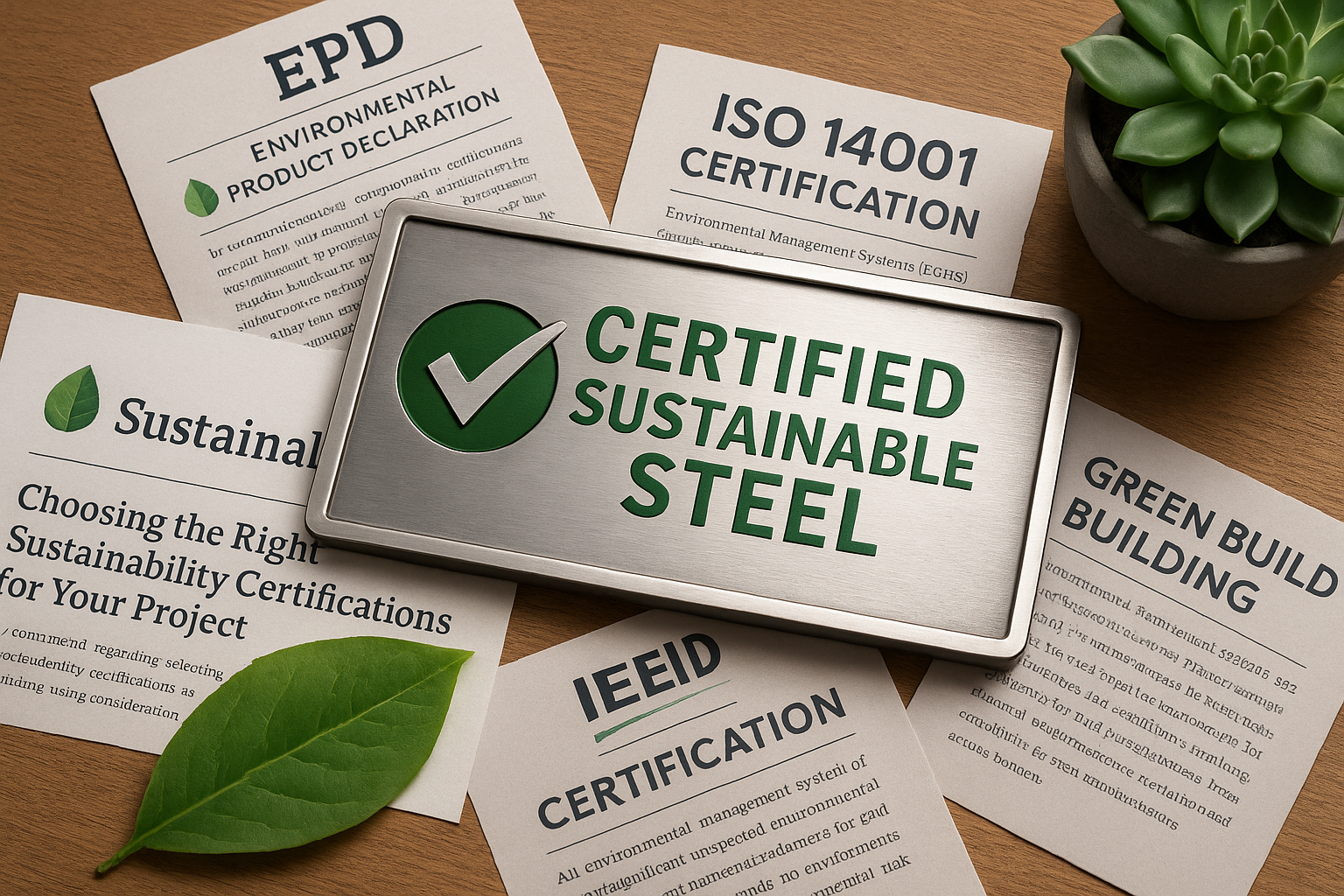
In today’s construction and manufacturing industries, the term “sustainability” is more than a buzzword—it’s a mandate. Steel, being one of the most used materials globally, is central to this shift. As companies and governments increasingly seek to reduce their environmental impact, sustainability certifications for steel have become a vital part of responsible sourcing. For architects, … Read more
The steel trade industry is one of the most lucrative yet competitive sectors in global commerce. With steel being a foundational material for construction, automotive, energy, and manufacturing industries, there is continuous demand around the world. For entrepreneurs and companies seeking to enter the steel import/export business, understanding how the market works, building a resilient … Read more
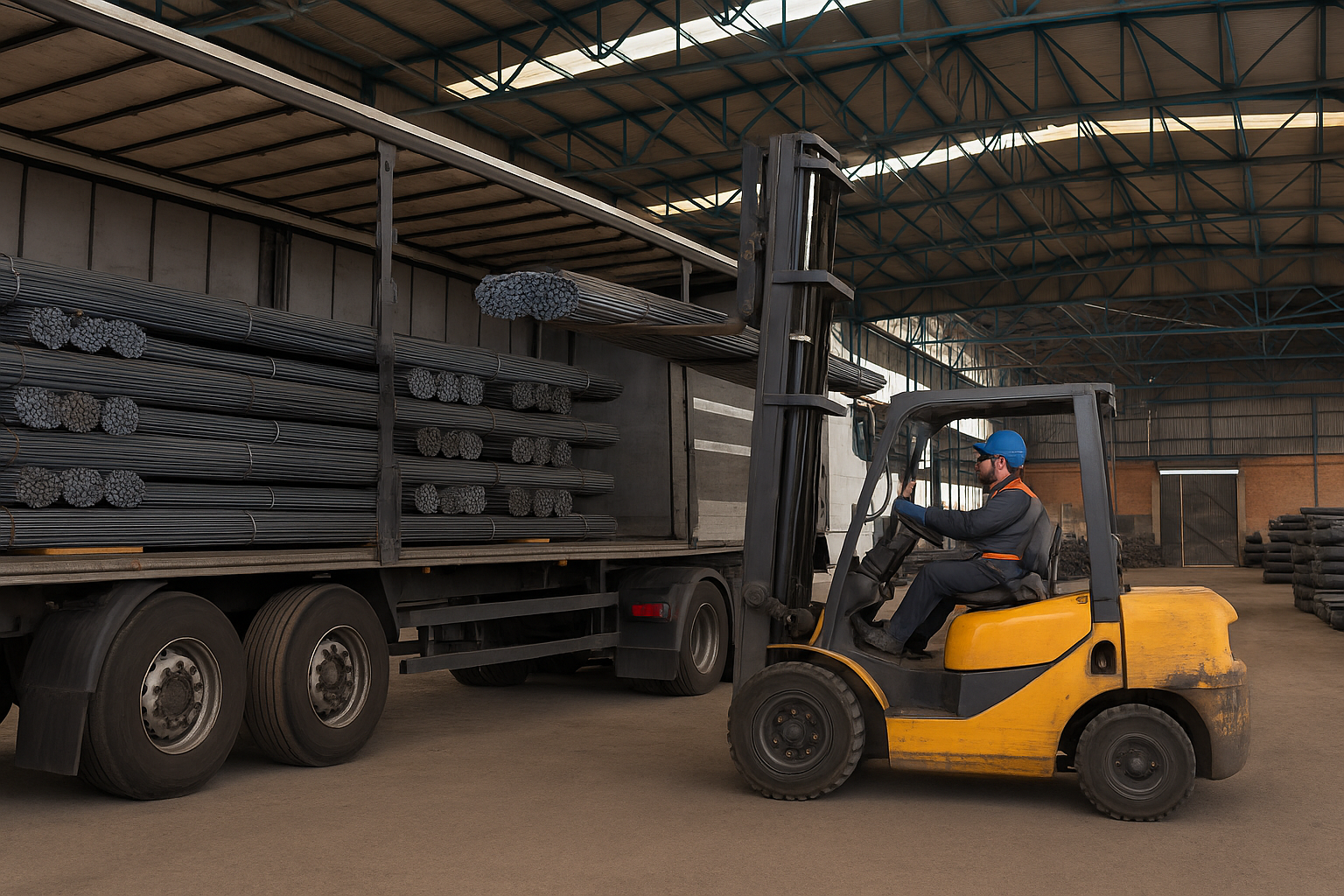
A practical methodology for comparing steel mills, distributors and local suppliers using total supply cost, logistics, inventory, quality and risk.
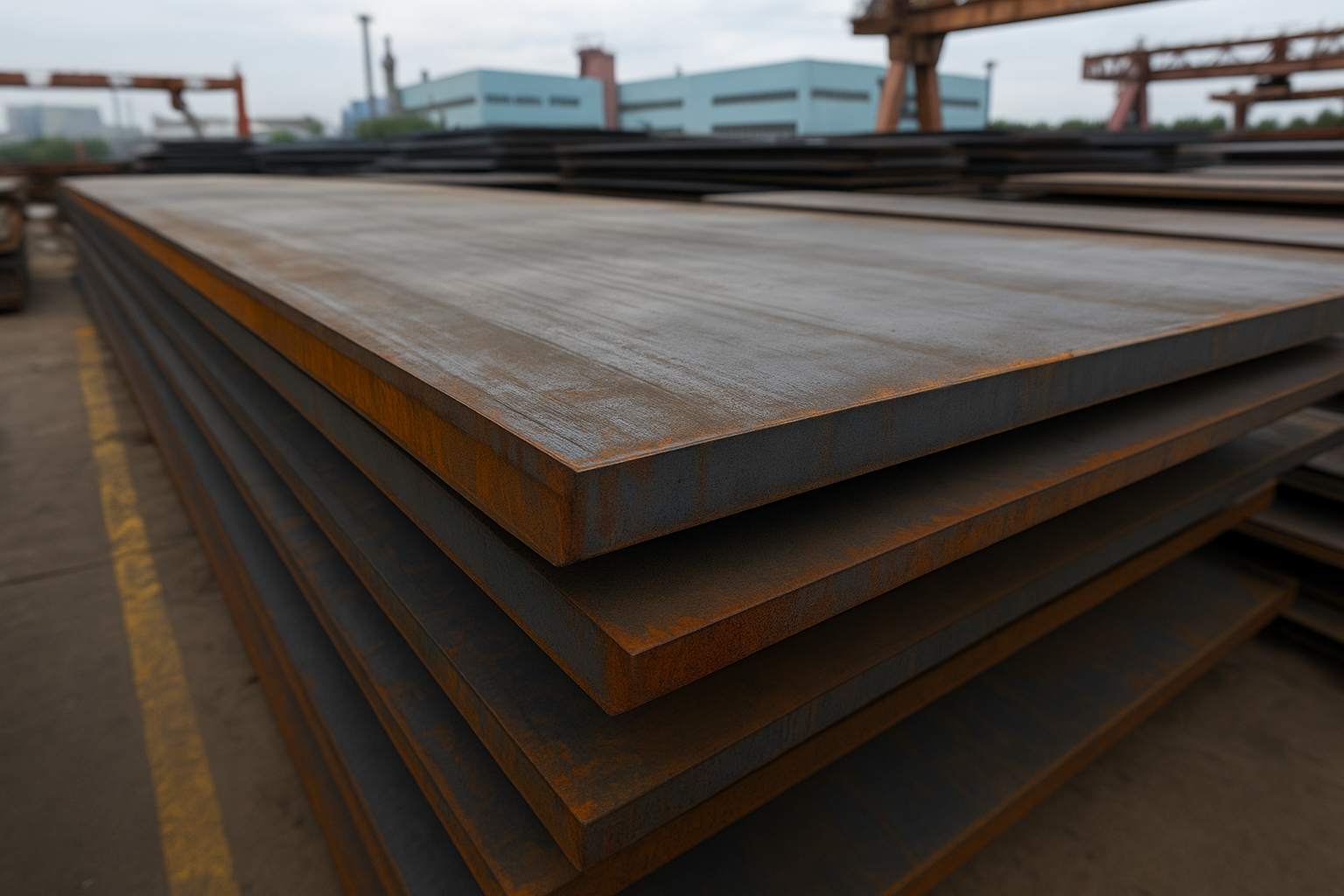
Exporting steel isn’t just about producing the right material—it’s about proving its quality, origin, and compliance with international standards. Certifications are the backbone of this process. They ensure buyers, regulators, and customs officials that your steel meets technical, environmental, and safety expectations. Without the proper certifications, a shipment may be: To succeed in international steel … Read more
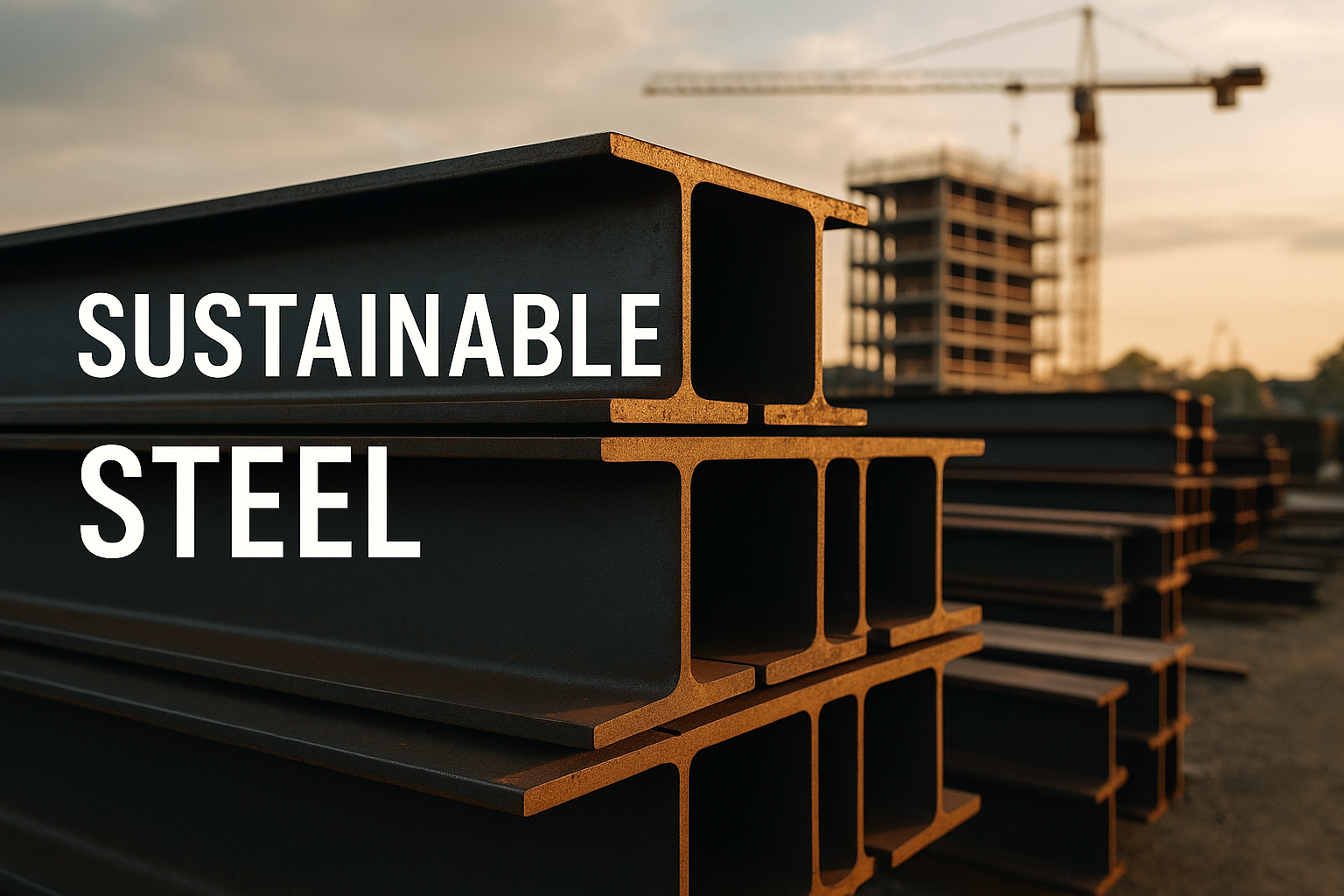
A practical guide to sustainable steel, low-emissions production, circularity, EPDs, lifecycle performance and responsible steel procurement for construction.